As interest in injection treatments for weight loss has grown, more people have started by comparing costs. In consultations, about 9 out of 10 people tend to check the price first. However, this drug is an ingredient originally developed to treat diabetes, and raising the dose too quickly can instead lead to side effects.
In short, a weight-loss injection is a treatment to choose by the depth of consultation and the way the dose is adjusted, not by price. When a prescription is issued after a brief interview lasting just over 1 minute, it is difficult to make adjustments suited to the individual's condition.
How does Mounjaro reduce body weight?
Mounjaro, known as a weight-loss injection, is in fact a drug developed to treat diabetes. Its main ingredient, tirzepatide, works by lowering the hunger signals sent to the brain and slowing the speed at which food leaves the stomach. The key is that a person feels full for longer even after eating a small amount.
As blood sugar control and metabolism improve together, the body changes gradually, and weight loss follows as a result. Weight does not drop straight away after a single injection; time is needed for the metabolic environment to change, and without understanding this, it is easy to end up raising the dose excessively.
- Suppressing hunger signals — lowers the appetite signals sent to the brain so that food intake decreases naturally
- Slower stomach emptying — slows the rate at which food leaves the stomach, keeping a feeling of fullness for longer
- Improved blood sugar and metabolism — blood sugar control and metabolic function improve together, supporting weight loss
Why is it risky to raise the dose after misreading adjustment-period reactions?
In the early stage of Mounjaro treatment, digestive reactions such as nausea, queasiness and diarrhea often appear before any noticeable change in weight. The usual course is for these to subside gradually over several days to a few weeks as the body takes in the new ingredient.
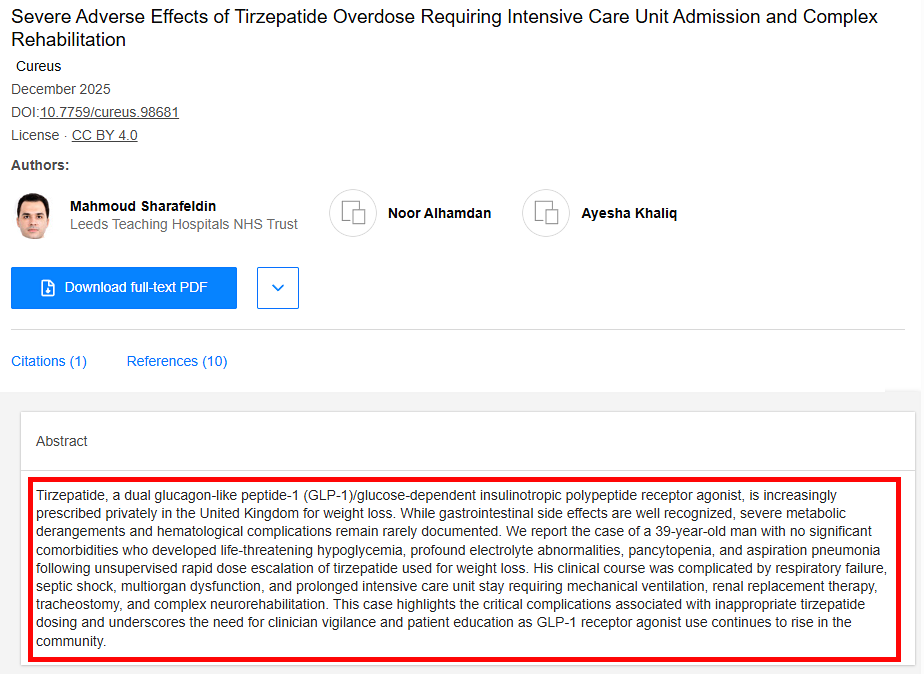
The medical literature reports a case in which a patient whose dose of this drug was increased rapidly developed hypoglycemia, severe electrolyte abnormalities, respiratory failure and septic shock, and this patient even needed neurological rehabilitation. People with a history of gastrointestinal disorders, diabetes, or pancreatic or gallbladder disease may have stronger reactions, so even more careful checking is needed.
What should be checked at the clinic to keep the weight off long term?
Reaching the target weight does not mean management is over; the period after the injections are stopped becomes an even more important point. Whatever method is used to lose weight, if lifestyle habits stay the same without diet and exercise, weight regain is a natural result, and this is not a problem specific to any one drug.
When choosing a clinic, it is worth checking whether it goes beyond prescribing injections and also provides overall obesity care. Whether weight is maintained depends on whether the clinic designs, for each individual, which nutrients are needed, how everyday meals should be structured and how the share of exercise should be increased.
- Nutrient intake plan — meals are planned and explained so that necessary nutrients are not missed even during weight loss
- How to structure meals — usual eating habits are reviewed and an eating pattern suited to the individual is suggested
- Share of aerobic and strength exercise — a plan is made to increase the share of aerobic and weight training step by step