Centum Lily Clinic Doctor's Column
Dermatology & Aesthetics Column

Calf Botox: When Do Results Appear and How Long Do They Last?

How calf Botox works, when the results become noticeable, and what affects the 4–6 month duration.

Published 2026-09-23 Updated 2026-09-23 Reviewed by Hyeran Heo, Medical Director

The reason calves look bulky differs from person to person. It may be fat, or it may be well-developed muscle that stands out, and calf Botox is the approach that works on the muscle.

Botox temporarily reduces the nerve signals that make a muscle move, easing muscle tension. The effect generally begins to appear around 2 weeks after treatment and is reported to last about 4–6 months. This article explains how it works, what affects how long it lasts, and how to care for the area afterward.

01

What makes the calves look bulky?

Key point
Calf volume can come from fat or from muscle, and the right approach depends entirely on which one it is. Botox is used when well-developed muscle is the cause. When fat is the cause, a different kind of approach is needed, because Botox does not reduce the fat layer.

People are bothered by their calf circumference for different reasons. In some cases a thick fat layer adds volume, and in others the gastrocnemius muscle is developed enough that the calf looks angular and prominent from the side. The two can look similar on the outside, but the ways to improve them are different.

Calf Botox is recommended only when the calf is judged to be muscle-type. It works by reducing nerve signals to ease muscle tension and does not reduce the fat layer itself, so if fat is the cause, you may not see as much change as you hoped.
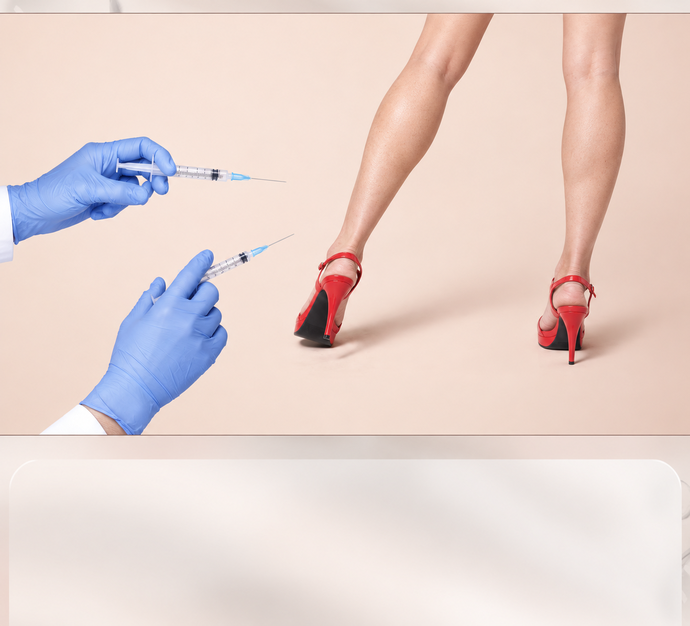
Anatomy illustration related to Calf Botox: When Do Results Appear and How Long Do They Last?
02

How does calf Botox produce its effect?

Key point
Calf Botox works by temporarily reducing the nerve signals that tell the muscle to move, which eases tension. The effect does not appear right after treatment. It usually begins to show gradually around 2 weeks later and continues to develop over the following several weeks.

When Botox acts on the muscle, the nerve signals that drive the gastrocnemius are temporarily reduced, and a muscle that was often tense begins to relax gradually. This change is not complete within a day or two; it progresses as the muscle's response to the signals slowly decreases, so expecting a big difference in the mirror on the day of treatment can easily lead to disappointment.

  • Softer muscle volume — as tension in the gastrocnemius eases, the prominent bulge softens
  • Smoother line — the calf outline, which stood out at an angle, looks more gently rounded
  • Timing — the change becomes noticeable gradually around 2 weeks after treatment, not on the day itself
03

How long does it last, and what affects it?

Key point
Calf Botox is generally said to last between 4 and 6 months, but this does not apply equally to everyone. How long you notice the effect can vary with your muscle mass, your daily habits, and whether you have received the treatment repeatedly at regular intervals.

The perceived duration varies from person to person because the speed at which the muscle responds to signals and starts moving again differs. If your muscles are well developed, they recover faster and the effect may feel shorter, while a lifestyle that uses the muscle less can make the effect seem to last relatively longer.

  • Muscle mass — well-developed muscles recover faster, so the effect can feel shorter
  • Daily habits — high heels or walking on tiptoe stimulate the muscle again and bring back tension
  • Repeat treatment — keeping to a regular schedule means the muscle is used less, and the interval can become longer

The change appears gradually rather than at once, so the result is judged over the weeks that follow.
04

How should I care for my calves after treatment?

Key point
On the day of treatment, you should avoid intense lower-body exercise and standing for long periods. Massaging or pressing on the treated area can cause the medication to spread to places it was not intended to reach, so extra care is needed for the first few days.

Right after treatment, avoid anything that puts strain on the muscle. Intense lower-body exercise contracts the muscle strongly and raises the chance of disturbing the medication before it settles, and standing for a long time also keeps the muscle continuously tense.

Avoid kneading or pressing the area as well, because stimulation can make the medication spread beyond the targeted muscle and lead to a contour different from the intended result. A stiff feeling for a few days is a natural part of the process as the muscle is used less, and it usually subsides.

  • Limit intense exercise — on the day of treatment, avoid lower-body workouts and standing for long periods
  • No massage or pressure — rubbing can make the medication spread elsewhere
  • Temporary stiffness — a natural part of the process as the muscle is used less

Hyeran Heo, Medical Director
Doctor's view

How the doctor decides

Hyeran Heo, Medical Director

I first distinguish muscle-type from fat-type calves

I do not recommend Botox just because someone says their calves look thick. I first check whether the calf stands out because of developed muscle or has gained volume because of accumulated fat, because the two call for completely different approaches. I recommend calf Botox only when the calf is judged to be muscle-type.

I check daily habits as well

I also ask whether you often wear high heels or tend to walk on tiptoe. Because these habits repeatedly stimulate the calf muscles and can shorten how long the effect lasts, I mention them before treatment and we decide together how to care for the area afterward.

I explain the timing of the change in advance

I do not conclude that the treatment has failed just because no effect is visible the next day. In many cases the change becomes noticeable gradually around 2 weeks later, so I ask patients to watch the progress at first and do not rush to recommend another treatment.

I set the repeat interval based on evidence

Even though the effect is said to last between 4 and 6 months, I do not apply the same interval to everyone. Because the duration people notice differs with muscle mass and daily habits, I follow the progress and adjust the timing of the next treatment together with the patient.

Summary

In summary

Calf Botox refines the calf line by temporarily reducing the nerve signals to the muscle. The effect usually appears around 2 weeks after treatment and lasts about 4–6 months. The duration can vary with muscle mass, daily habits and whether the treatment is repeated, and intense exercise and massage should be avoided afterward. Because the right approach depends on whether the calf is muscle-type or fat-type, if something about your calves bothers you, it is a good idea to have their condition checked first.

FAQ

Frequently asked questions

QWhen will I notice the effect of calf Botox?
A

The change does not appear on the day of treatment or the next day. It usually becomes noticeable gradually around 2 weeks later.

QExactly how long does it last?
A

It is generally said to last between 4 and 6 months, but this varies from person to person. If you use your calf muscles often, the effect may feel shorter.

QCan I massage my calves after treatment?
A

You should avoid massaging or pressing on the area, because the medication could spread to places it was not intended to reach.

QDoes it work if my calves are fat-type?
A

Calf Botox acts on the muscle, so it does not have the effect of reducing the fat layer.

Hyeran Heo, Medical Director
Medical review
Hyeran Heo, Medical Director
This content is general medical information and may not apply to every individual. Diagnosis and treatment are decided through a consultation.